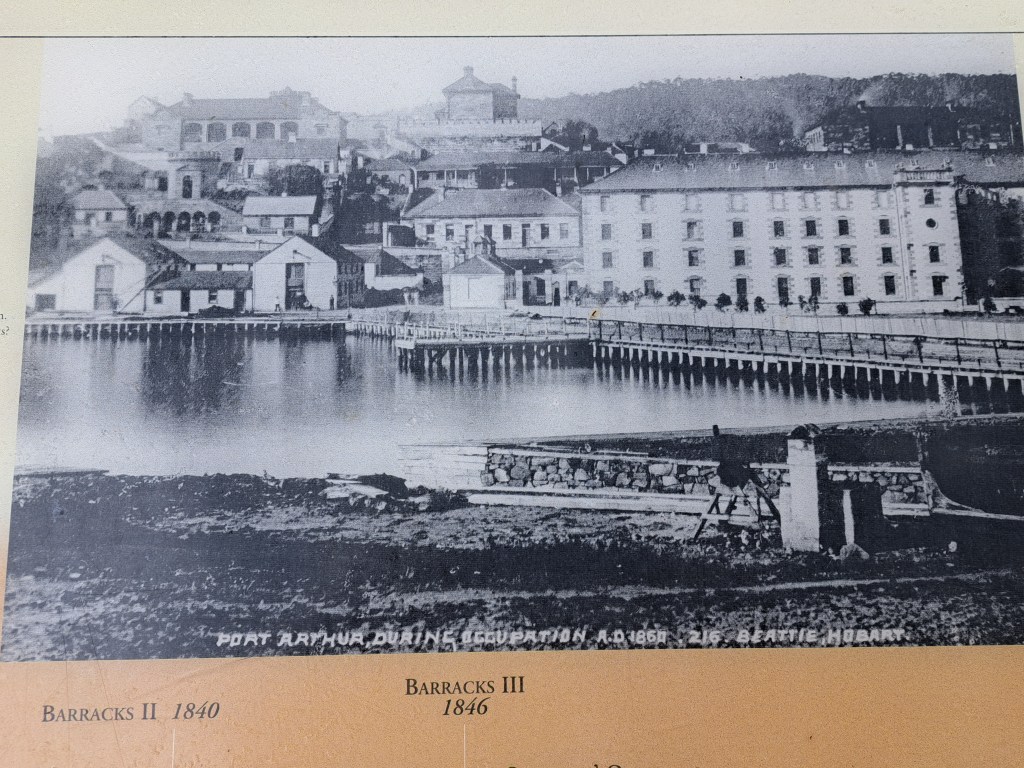
The Port Arthur penal settlement began life as a small timber station in 1830 but became a penal colony by 1833. Convicts sent to Port Arthur had escaped before or had committed new crimes. Located on a peninsula, its natural defenses (shark-infested waters, rugged terrain) were augmented by the famous “Dog Line” of dogs on a narrow isthmus, making escape nearly impossible.
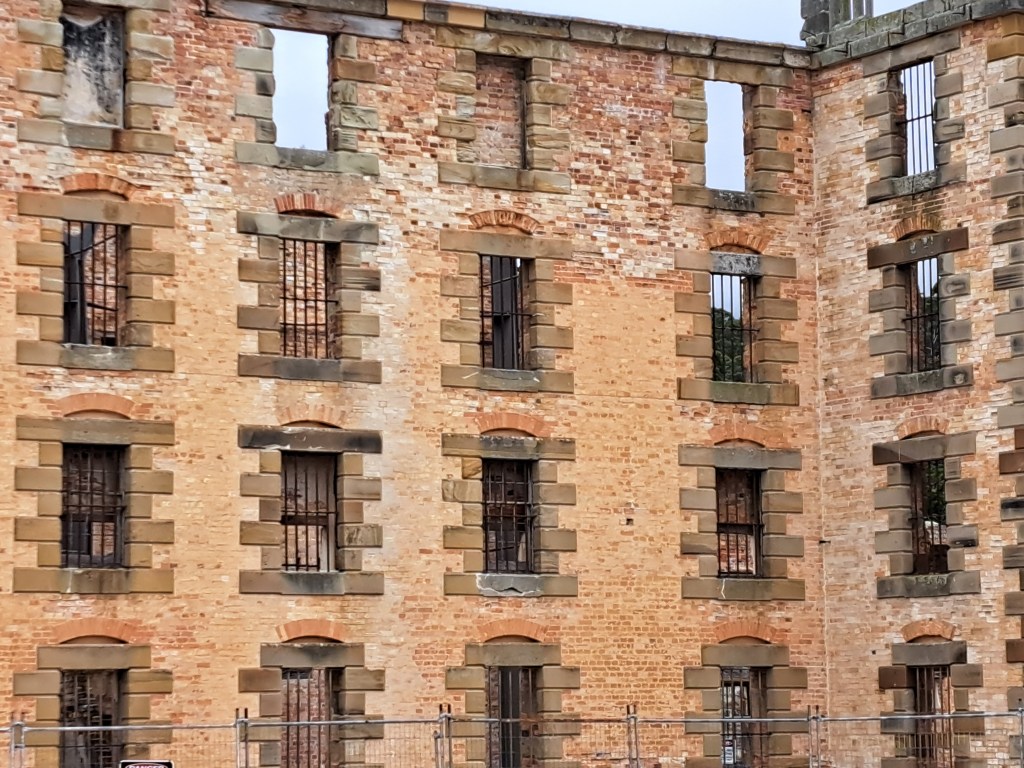
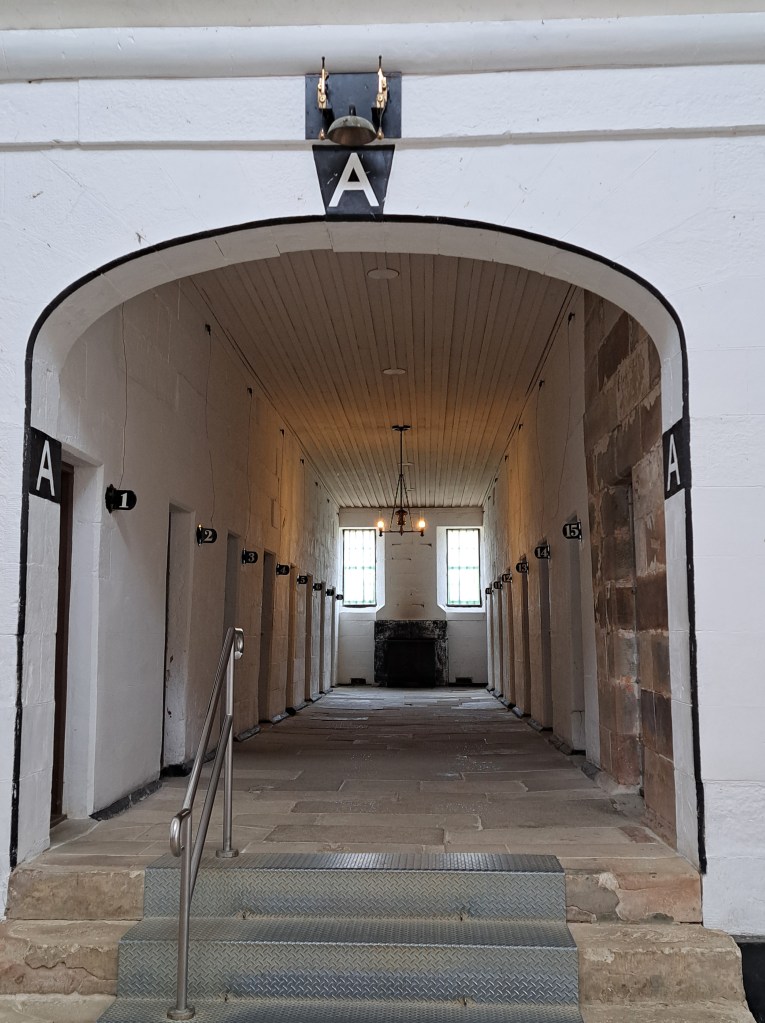
While notorious, it moved beyond simple flogging, favoring solitary confinement and psychological torment in the Separate Prison, where prisoners spent 23 hours a day in silence and isolation.
Convicts built extensive infrastructure, including a penitentiary (originally a flour mill), a hospital, a church, and shipyards, producing goods for the colonies.
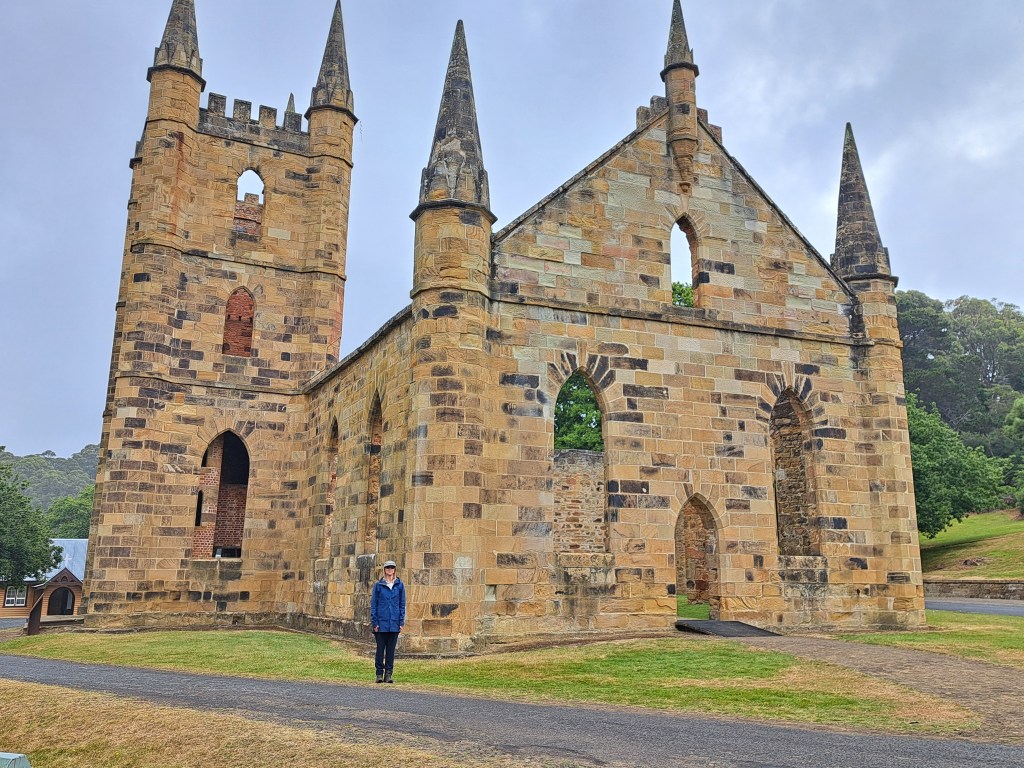
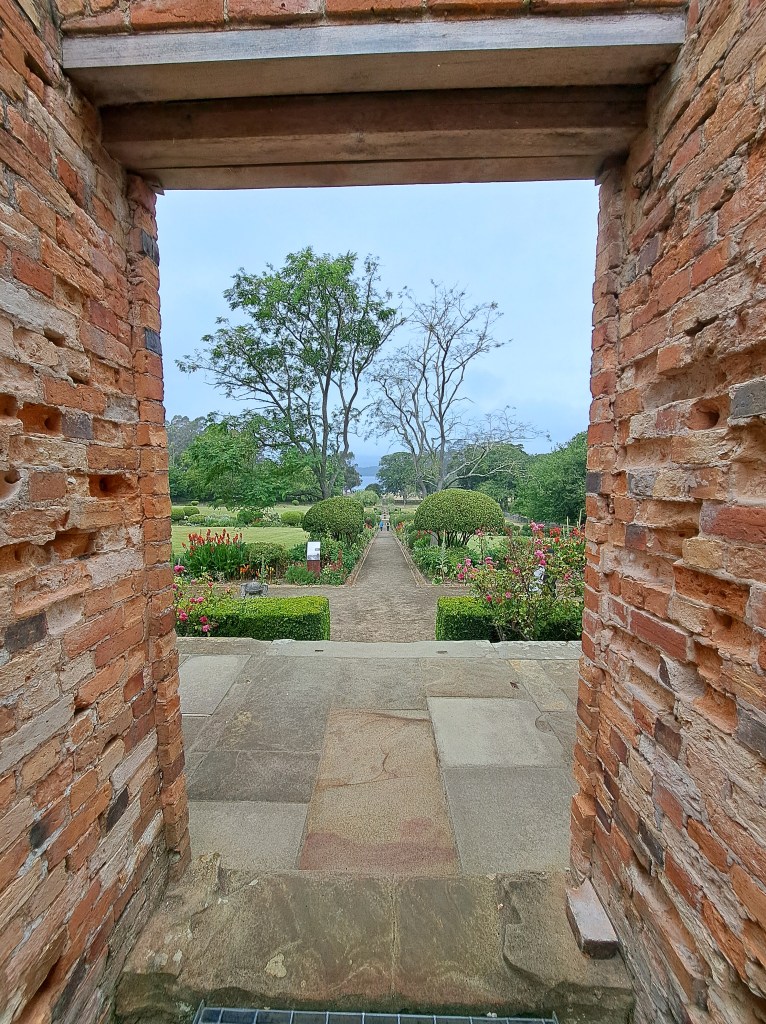
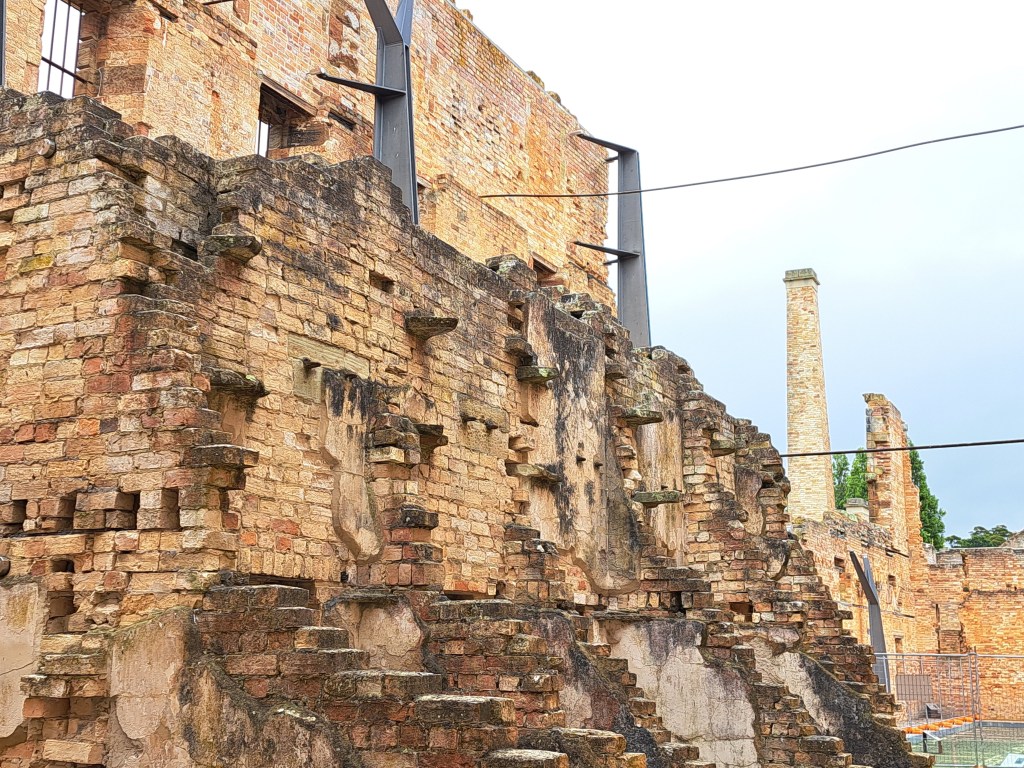
The penal colony operated until 1877, some 47 years and housed over 30,000 convicts. A fire in 1895 destroyed most of the structures. Bricks and other materials were looted afterwards.
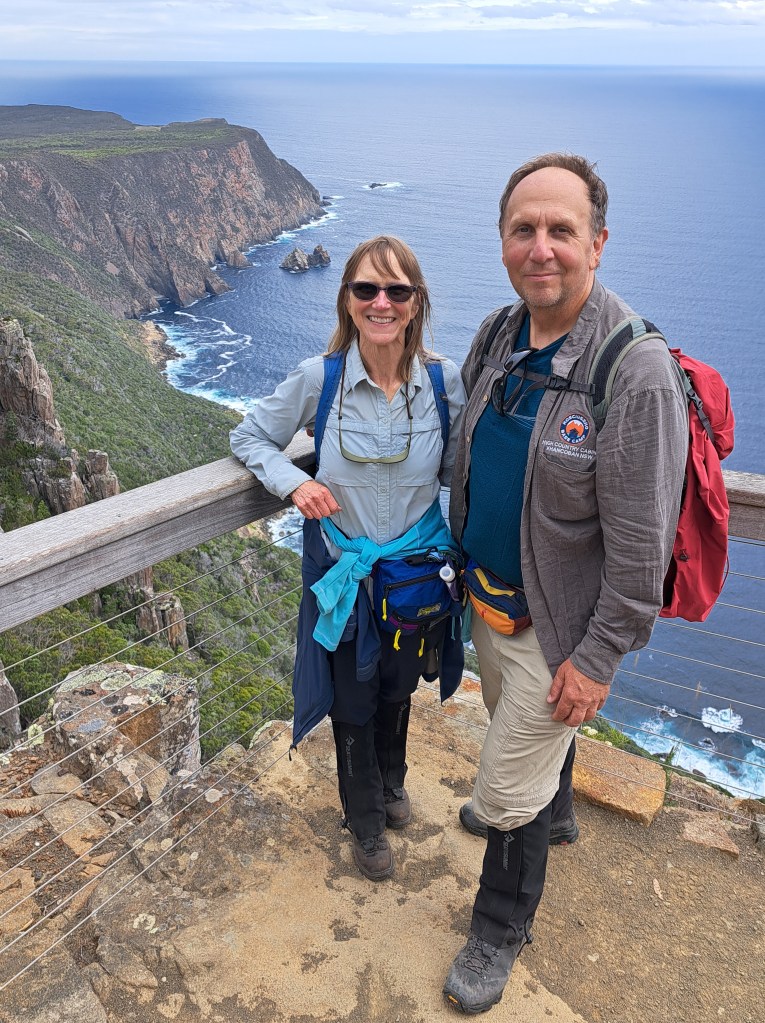
We also took a walk out to nearby Cape Raoul.
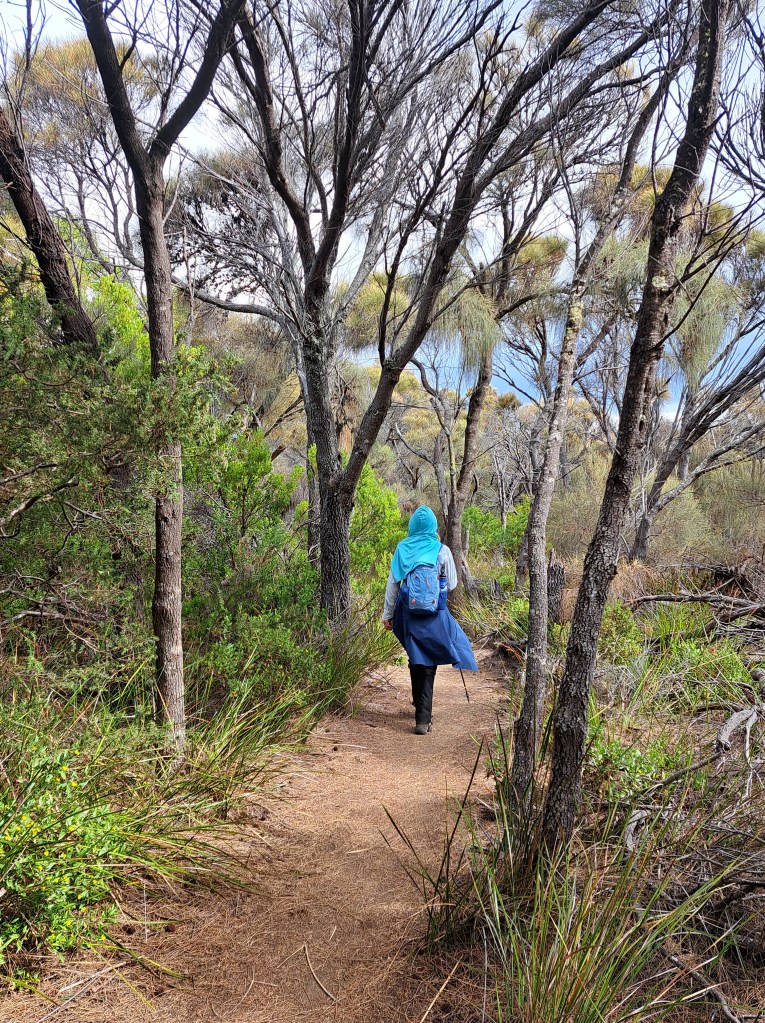
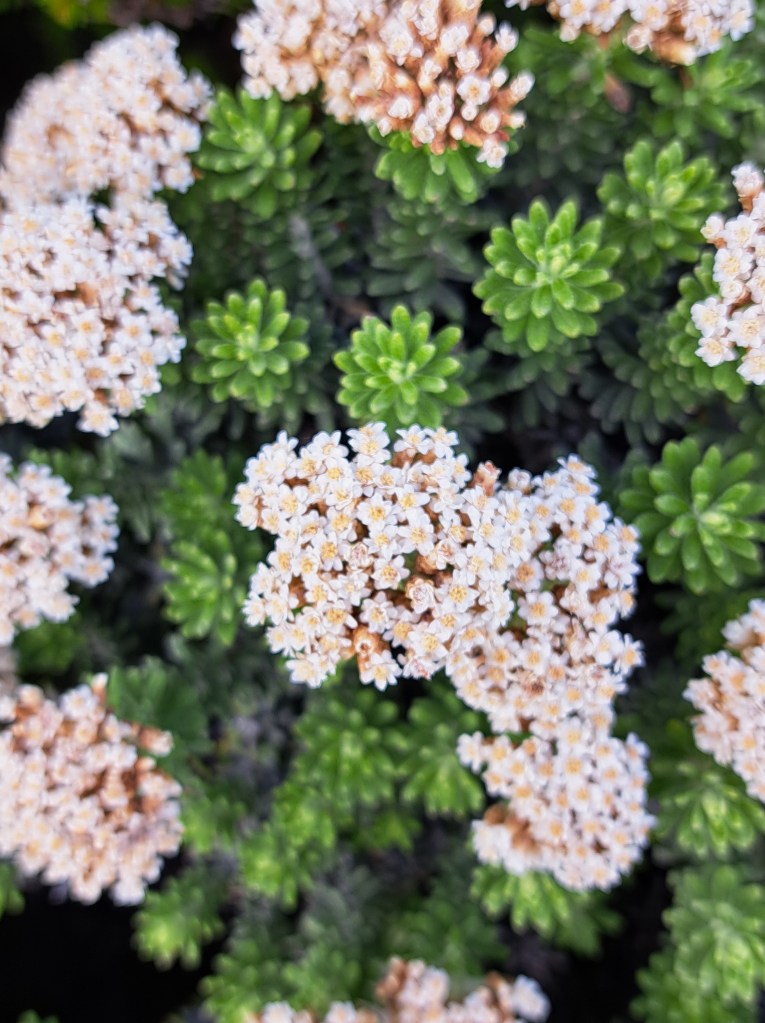
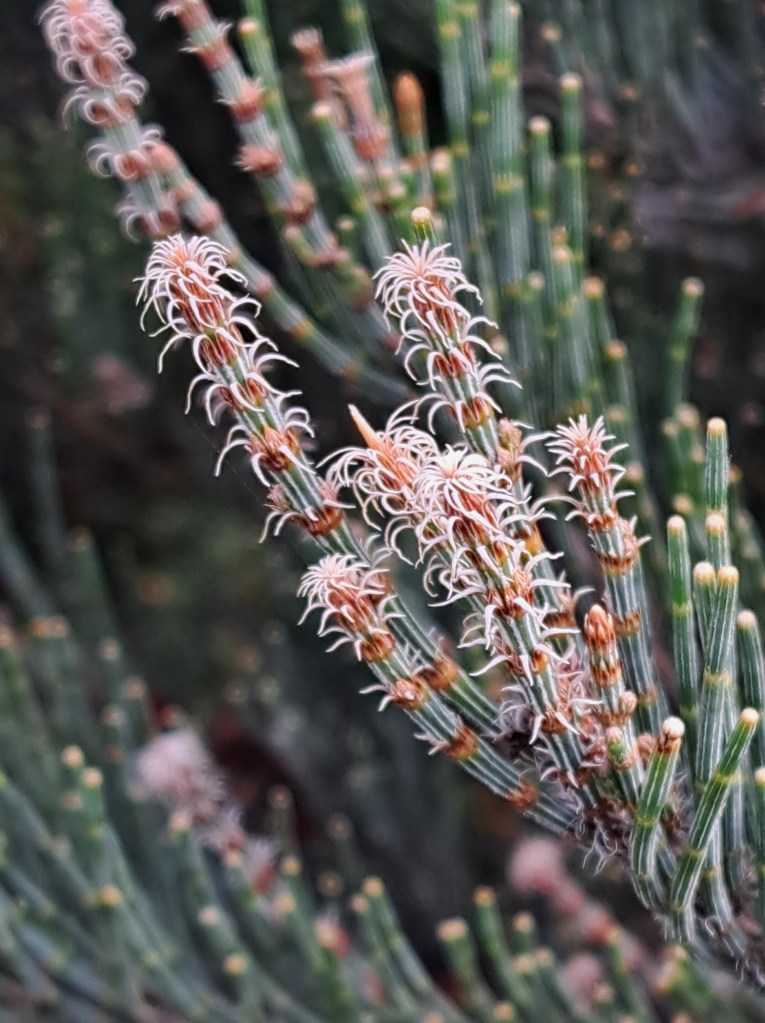
Our tramp led us over a small mountain and through varied plant life depending on moisture, soil types, underlying rock type, and wind.
The views were stunning along the way.
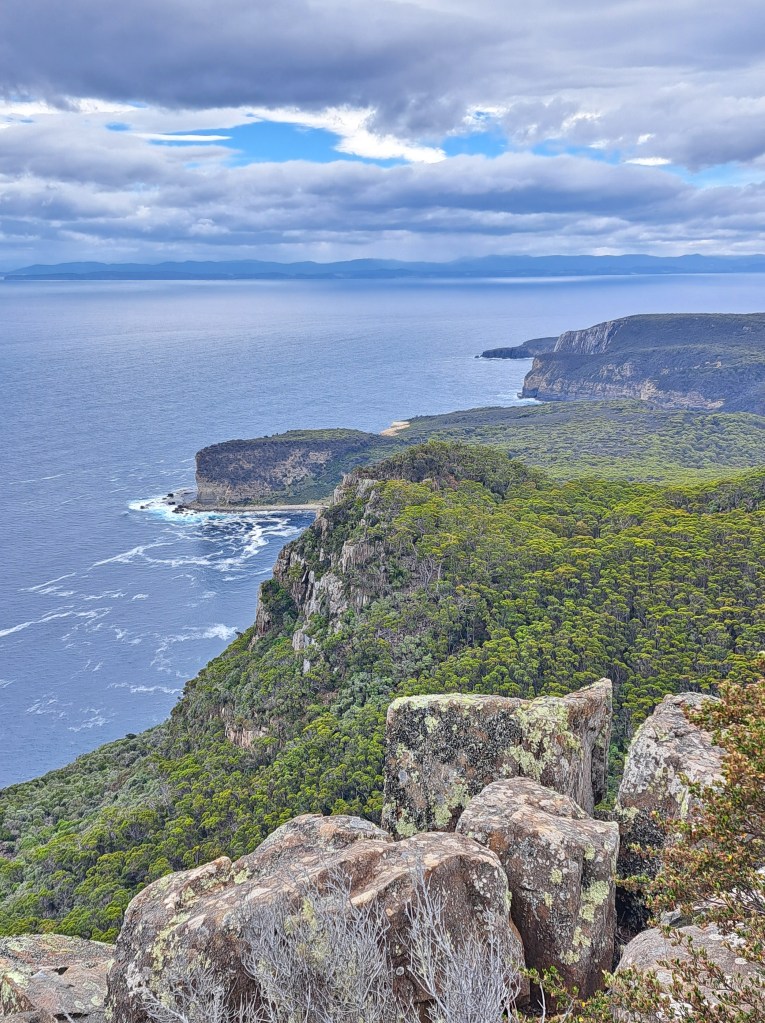
The capes in this area arr made up of molten rock that erupted during the breakup of the Australian and Antarctic continents. As it cooled it formed jointed columns that now make up sea cliffs up to 1,000 feet high.
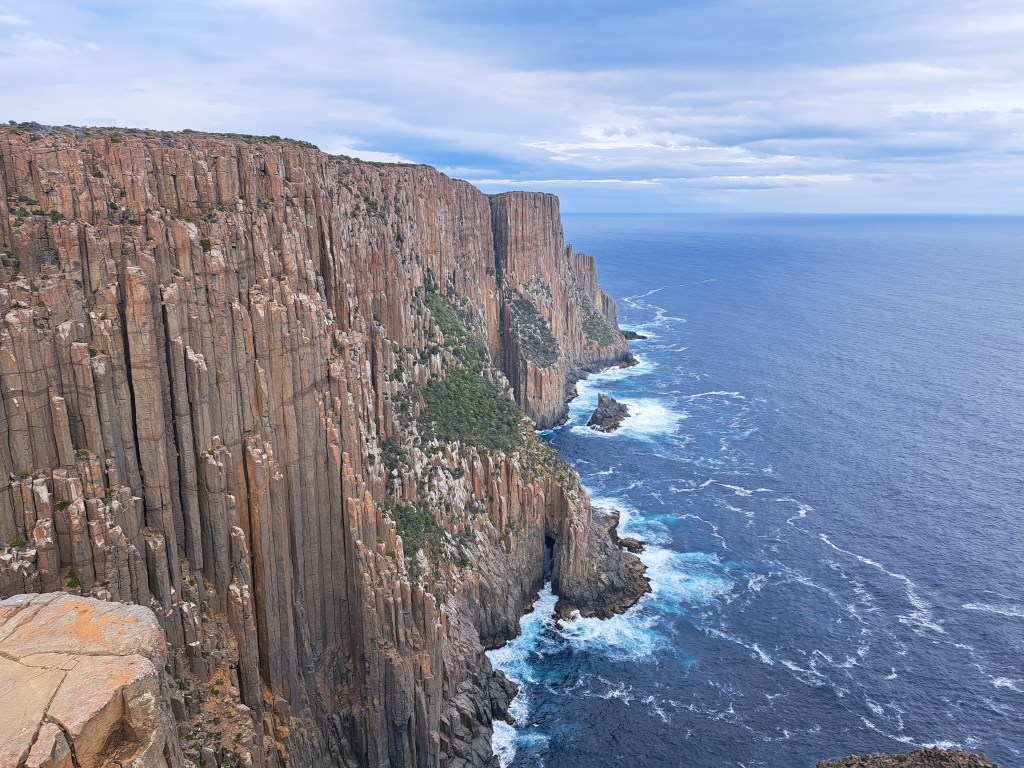
We would see more of these on a four day trek along the Three Capes walk….
 Ginger and Ed's Excellent Adventures
Leave a comment